June 25, 2026
Understanding the critical role that a vehicle's suspension system plays in its overall performance is essential for every vehicle owner or enthusiast. Proper suspension repairs not only enhance the comfort of your ride but significantly improve the vehicle's braking, steering, and overall control. In this article, we will explore the numerous ways proper suspension repairs contribute to these critical aspects of vehicle performance. The suspension system not only supports the vehicle's weight and absorbs road shocks but also affects several other vehicular mechanics. Proper maintenance and repair of the suspension system can enhance both the longevity and the safety of your car.
1. Enhancing Braking Efficiency
1.1. Improved Brake Force Distribution
A well-maintained suspension system ensures that brake force is distributed evenly across all wheels, reducing stop time and distance. Poor suspension can lead to uneven brake pad wear, which affects braking efficiency. When the suspension is in good condition, it maintains even pressure on all tires, allowing for uniformly distributed brake force. This distribution is crucial during sudden stops, where uneven brakes can cause a vehicle to skid. Ensuring brake force is balanced on all corners of the vehicle minimizes the risk of accidents.
1.2. Minimizing Nose Dives
Proper suspension prevents the vehicle from diving forward during braking, maintaining traction and braking performance. When a car nose-dives, the front wheels bear excessive weight, reducing the effectiveness of the rear brakes. A balanced suspension system keeps the vehicle level and helps maintain optimal pressure across all tires. This not only enhances braking performance but also contributes to better control during sudden stops. Ultimately, reduced nose dive increases driver confidence and vehicle safety.
1.3. Stability During Emergency Stops
Robust suspension repairs enhance vehicle stability during sudden stops or on slippery surfaces. During an emergency stop, stability is paramount to prevent veering into other lanes or off the road. A sound suspension system works with the vehicle's braking system to ensure maximum contact between the tires and the road. This is particularly important during adverse weather conditions, such as rain or snow, where stopping distances can increase. Enhanced stability from a good suspension can therefore be lifesaving, especially on busy highways.
1.4. Better Contact with the Road
Properly functioning suspension maximizes tire contact with the road, increasing braking effectiveness. A suspension system in optimal condition ensures that the tires remain firmly on the road surface. This maximized contact translates into better traction and more effective braking. The design and maintenance of the suspension system play a critical role in maintaining road contact, even on uneven surfaces. On the bustling roads of the United States, which now supports 289 million light-duty vehicles, maintaining such contact is vital for road safety.
1.5. Reduced Wear on Brake Components
Maintaining suspension can reduce the strain on brake components, extending their lifespan and efficiency. The interaction between suspension and brake components is pivotal; when suspension elements absorb shocks efficiently, brake components do not have to work as hard. This reduces wear and tear, which helps in avoiding frequent brake repairs. As a result, the costs associated with maintaining brake systems are significantly lowered. A stress-free braking system consistently performs better, ensuring safer driving conditions.
2. Improving Steering Precision
2.1. Enhanced Steering Response
Repaired suspension components improve the responsiveness of the steering system for more precise handling. Proper suspension allows for better communication between the road surface and the steering wheel, enhancing the driver's ability to predict and react to road conditions. With a responsive suspension, steering inputs translate more effectively into directional changes. This is crucial for avoiding obstacles and navigating tight corners safely. An efficient suspension system, therefore, directly contributes to driver confidence and vehicle control.
2.2. Alignment and Directional Stability
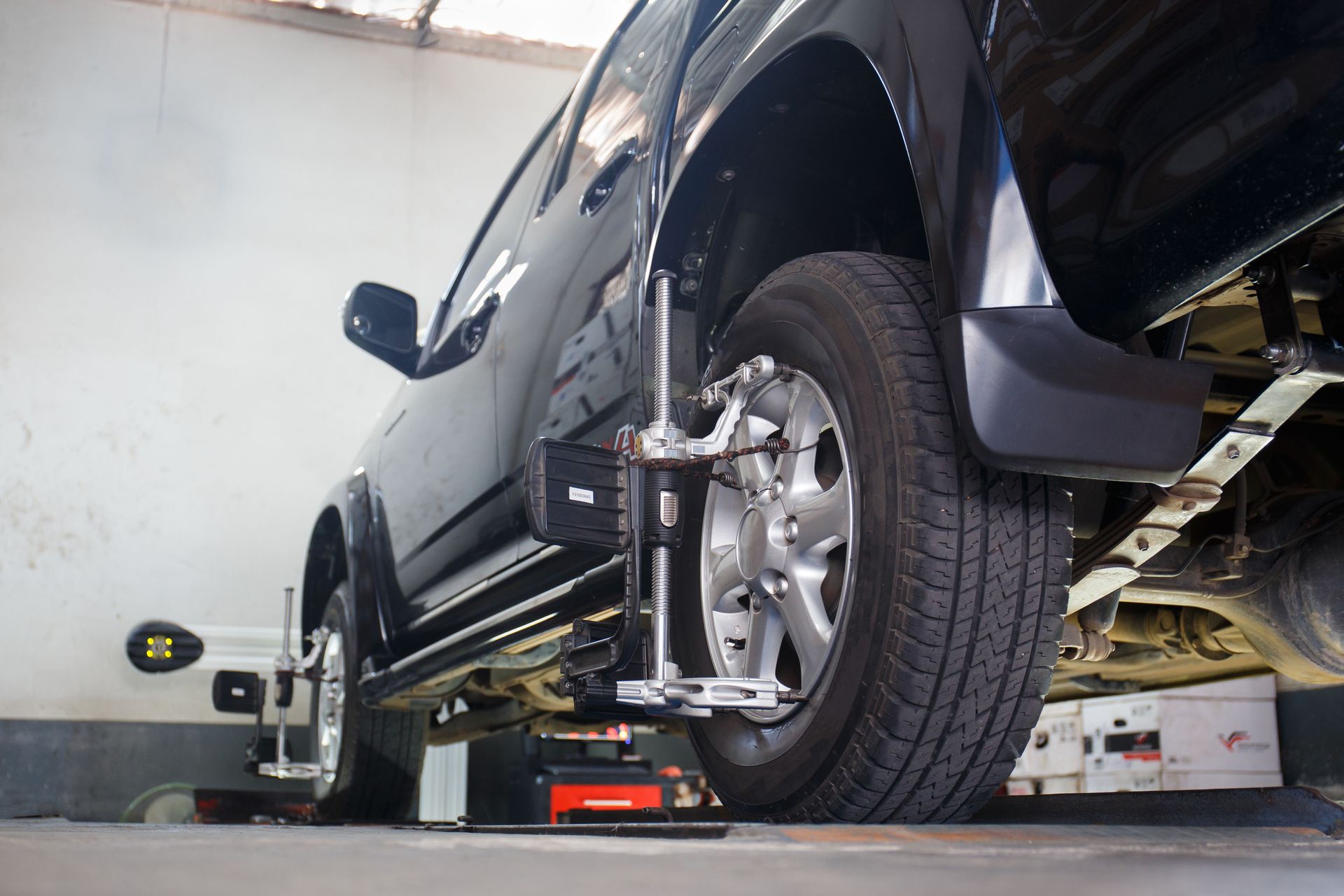
Accurate suspension repairs help maintain proper wheel alignment, crucial for consistent steering performance. Misaligned tires can lead to inconsistent handling and increased tire wear. Suspension repairs ensure that the wheels remain aligned correctly, promoting stability and reducing the driver's workload. Directional stability is essential for maintaining the vehicle’s intended trajectory, especially at higher speeds. As vehicles continue to populate urban areas, maintaining such stability becomes increasingly important for preventing traffic incidents.
2.3. Minimizing Steering Vibrations
Well-maintained suspension reduces vibrations in the steering wheel, improving driver comfort and control. Vibrations can be distracting and uncomfortable for drivers, leading to fatigue over longer journeys. A suspension in top condition absorbs road irregularities instead of transmitting them through to the steering wheel. This not only enhances comfort but also provides a more relaxed driving experience. Furthermore, reducing steering vibrations contributes to precise and confident handling, especially in metropolitan areas with high traffic density.
2.4. Consistent Steering Under Load
A strong suspension ensures the steering feels the same regardless of the load in or on the vehicle. Whether you're driving solo or with a full load of passengers or cargo, consistent steering performance is vital. A properly maintained suspension system adjusts to weight changes, keeping steering responsive and predictable. This adaptability is essential for maintaining control, particularly in sudden steering maneuvers. Consistent steering reinforces a driver's confidence in their vehicle's handling abilities.
2.5. Protection Against Understeer/Oversteer
Proper suspension helps in preventing understeer and oversteer by maintaining optimal grip and handling. Understeer occurs when the front wheels do not steer as sharply as intended, while oversteer causes the rear to slide out. Both situations can be hazardous, particularly on wet or icy roads. Proper suspension repairs ensure optimal tire contact and grip, mitigating risks of losing control. This balance is crucial in maintaining vehicle stability and safety, especially under challenging driving conditions.
3. Maximizing Vehicle Control
3.1. Enhanced Cornering Ability
Proper suspension set-up allows for better cornering without loss of control or excessive body roll. A well-tuned suspension keeps the vehicle's body balanced as it navigates curves, distributing weight evenly. This reduces body roll, which can destabilize the vehicle and lead to loss of grip. Optimal suspension performance ensures that contact between the tires and road is maintained through corners, enhancing safety. For drivers on America’s twisty roads, the peace of mind provided by superior cornering control is invaluable.
3.2. Maintaining Traction on Various Terrains
Well-repaired suspension systems ensure maximal traction on diverse road surfaces. Across the United States' diverse climate and terrain, ranging from snow-covered roads to rocky trails, maintaining traction is crucial. Suspension systems adeptly handle transition between various surfaces, maintaining contact and equilibrium. This adaptability can prevent skids and slips, which are common causes of accidents. Effective suspension systems are therefore vital in varying weather and road conditions, enhancing the overall safety.
3.3. Improved Handling During Sudden Maneuvers
An optimized suspension system allows for quick and safe maneuvers at varying speeds. During emergencies, the driver may need to make sudden turns or speed changes, necessitating precise handling. A responsive suspension minimizes the risk of rolling over or losing control during such maneuvers. This ability is vital in populated areas or high-speed scenarios where rapid responses are necessary. Enhanced handling abilities from a repaired suspension can provide crucial milliseconds for reaction, preventing potential mishaps.
Proper suspension repairs are vital not only for optimizing the performance of braking, steering, and control but also for contributing to the overall longevity and integrity of a vehicle. Ensuring regular maintenance and addressing suspension issues promptly can lead to significant improvements in safety, comfort, and cost-efficiency. Vehicle owners and enthusiasts should prioritize suspension care as a critical component of their automotive maintenance routine. Moreover, with the increasing number of vehicles on the road, maintaining a well-operating suspension is critical for keeping up with the fast-paced driving environment. According to Chase, vehicle syspension systems have three main parts: rods, springs, and dampers. By focusing on suspension repairs, vehicle owners invest in the total safety, performance, and value of their vehicles. Be sure to reach out to Littleton Auto Repair today to learn more about our professional suspension repair!