February 25, 2026
The majestic Colorado mountains offer breathtaking views and an invigorating driving experience, but navigating these roads presents unique challenges. The varying elevations and winding routes require drivers to maintain high levels of alertness and vehicle readiness. One crucial aspect of vehicle maintenance for safe driving in these conditions is the brake system. Brakes in mountainous areas are subjected to more stress and wear than on flat terrain, making regular maintenance vital. This article delves into why timely brake repairs are particularly critical for mountain drivers.
Understanding the Unique Challenges of Colorado Mountain Driving
The Geography of Colorado Mountains
Colorado's mountainous geography poses distinct challenges for drivers unfamiliar with such terrains. The state is known for its winding roads and steep grades, which demand constant brake use and increased vehicle strain. This diverse geography includes extremely high elevations. Such variations can have a significant impact on driving conditions, requiring adjustments in vehicle control. The unique topography contributes to more pronounced brake wear, making regular maintenance imperative.
Steep Inclines and Declines
Negotiating steep inclines and declines increases the dependence on well-functioning brakes in Colorado's mountainous regions. It is essential for drivers to keep their speed in check to prevent overheating of the braking system. Consistent breaking creates friction which results in heat; excessive heat can lead to brake fade or failure. To facilitate safe descents, maintaining brakes in optimal condition is crucial. Understanding these terrain challenges allows drivers to prepare vehicles accordingly, ensuring safety and control.
Weather Variability in the Mountains
Driving conditions in Colorado's mountain regions change rapidly due to weather variability. Sudden bouts of snow, rain, and wind mean drivers must remain vigilant and adaptable. Such weather conditions exacerbate road hazards, further stressing the importance of responsive and functioning brakes. These extreme conditions can drastically alter traction and stopping distances, emphasizing the need for regular brake system assessments. Proactive preparation for these variables is necessary for any driver navigating mountainous routes.
The Importance of Brakes in Mountain Terrain
The Primary Role of Brakes in Safety
Brakes are perhaps the most critical safety component of any vehicle, taking on even greater significance in mountain driving. A reliable braking system ensures a driver can stop safely, preventing accidents and loss of control on steep gradients. With Colorado's challenging terrain, drivers must consistently assess their ability to brake under different circumstances. Keeping brakes in top condition is a lifesaving measure, given the unpredictability of mountain roads. Ensuring functionality of every brake component is integral to enhancing road safety.
Brakes and Controlling Speed on Descents
When tackling long descents, effective speed control is vital, and brakes are the primary tool for this task. Constant use over extended periods can heat the brake system, decreasing its effectiveness and reliability over time. Drivers in Colorado rely on their brakes to counteract gravitational pull, maintain safe speeds, and endure challenging descents. The effectiveness of a vehicle's brakes can be the deciding factor in preventing accidents on sharp declines. Hence, neglecting to service brakes regularly can lead to serious safety issues.
The Risks of Brake Failure in Mountains
Brake failure in the mountains can lead to catastrophic results due to sheer drop-offs and unprotected guardrails. The stress placed on brakes during prolonged descents demands that they be in optimal working condition. Regular inspections for sufficient brake pad thickness and fluid levels can prevent unexpected failures. Failing brakes increase the risk of accidents, heightening the stakes for timely brake repairs. Drivers must prioritize brake maintenance to minimize these risks and ensure they can react to road challenges.
Increased Wear and Tear on Brakes During Mountain Driving
Understanding Brake Friction and Heat
Brake systems operate on the principle of friction, which inevitably produces heat. In mountainous driving environments, brakes are used frequently, generating more heat and accelerating wear. Prolonged exposure to high temperatures can degrade components, affecting overall brake functionality. To combat this, drivers should monitor signs of wear and address issues promptly. Understanding the interplay of friction and heat can guide more effective maintenance strategies for extending the life of the brake system.
Effects of Frequent Braking on Brake Pads
Frequent braking in mountain driving leads to accelerated brake pad wear. The constant friction wears down the pads, reducing their effectiveness and increasing the risk of brake failure. Regular inspections and timely replacements of brake pads are necessary to maintain optimal braking performance. According to MOTOR, around 43% of drivers underestimate how much it costs to replace brakes, leading to procrastination. Recognizing the value of investing in good brake maintenance can prevent costlier brake repairs in the future.
How Altitude Affects Brake Performance
Higher altitudes in Colorado can affect a vehicle's brake performance due to the reduction in atmospheric pressure. This can lead to a subtle yet significant change in how the brakes respond under pressure. Drivers may find it takes more force to achieve traditional stopping power at these elevations. Being aware of these altitude-related changes assists drivers in anticipating their vehicle's needs more accurately. Thus, maintaining awareness and readiness during brake servicing helps to ensure sustained reliability and safety.
Importance of Regular Brake Maintenance
Preventive Maintenance Strategies
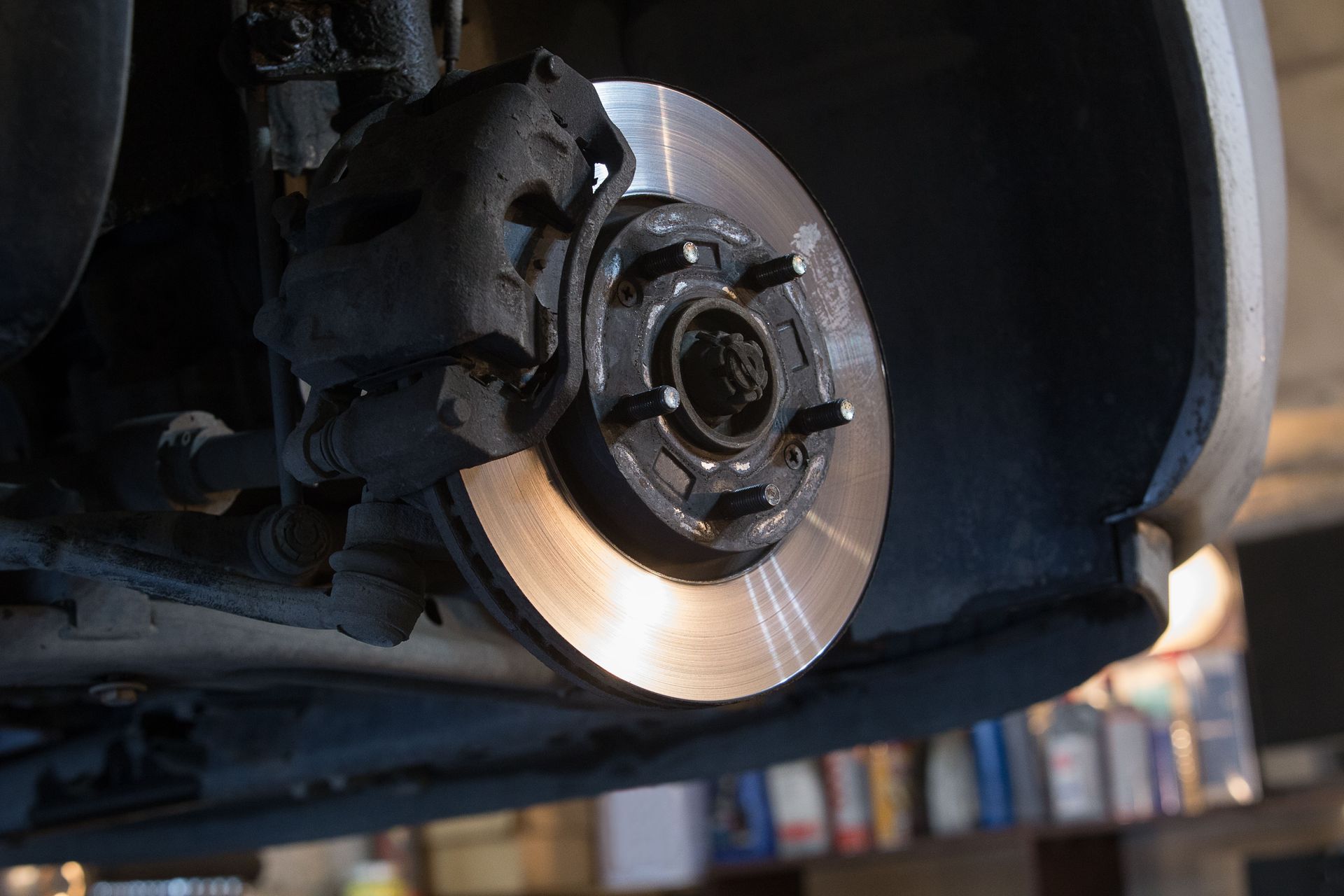
Preventive maintenance for brakes can help avoid premature wear and costly brake repairs. Regular checks on brake pads, rotors, and fluid levels ensure that the braking system remains responsive. Planning routine inspections before long drives in the mountains can prevent on-road emergencies. Proactive measures help drivers identify potential issues before turning into more significant problems. Ultimately, preventive maintenance is an investment in vehicle longevity and passenger safety.
Signs Your Brakes Need Immediate Attention
Signs that brakes need immediate attention include unusual sounds, vibrations, or a decrease in braking performance. Grinding or squealing noises often indicate worn brake pads that need replacement. A pulsating brake pedal can suggest issues with rotors or brake fluid. Ignoring these signs can lead to brake failures, especially in challenging mountain terrain. Addressing such issues promptly is crucial to ensure that brakes can reliably perform when needed most.
Frequency of Brake Checks for Mountain Drivers
Mountain drivers should check their brake systems more frequently than those driving in flat terrains. The severe conditions place higher demands on brakes, thus necessitating more regular assessments and maintenance. It is recommended to inspect brake components every few months, or after particularly demanding journeys. Near-constant vigilance helps in tremendously reducing the risk of unforeseen complications. Such routine checks extend overall brake system longevity and performance.
Technological Advances in Brake Systems for Mountain Driving
Modern Brake Technologies
Advancements in brake technologies continue to improve safety and performance for drivers in mountainous regions. Innovations such as high-performance brake pads and self-adjusting brakes enhance stopping power and reliability. Technology now allows for brakes that adapt to different driving conditions, providing consistent performance regardless of external factors. These advancements offer drivers additional confidence when navigating difficult terrain. Ensuring familiarity with the latest technology helps drivers make informed choices about brake system upgrades.
ABS and Stability Control in Mountain Terrains
Anti-lock Braking Systems (ABS) and stability control systems provide added security during mountain driving. These systems help prevent wheel lock-up and maintain traction, even on slippery or uneven surfaces. They significantly reduce stopping distances and help drivers maintain control during emergency maneuvers. Their rapid response to dangerous changes in vehicle dynamics is especially beneficial during mountain driving. This technology underscores the role of modern systems in enhancing driver and passenger safety alike.
Timely brake repairs and maintenance are paramount in the challenging driving conditions of Colorado's mountains. The combination of steep grades, variable weather, and high altitudes demands that braking systems remain in optimal working order. Emphasizing their importance, this article highlights preventive strategies, technological advancements, and the resources available to mountain drivers. Understanding the crucial role of brakes in safety underscores their priority in regular maintenance checks. Commitment to proper brake care ensures reliability, prolongs vehicle life, and, most importantly, enhances driver and passenger safety. If you're looking for brake repairs, contact Littleton Auto Repair today.